Riderz Planet
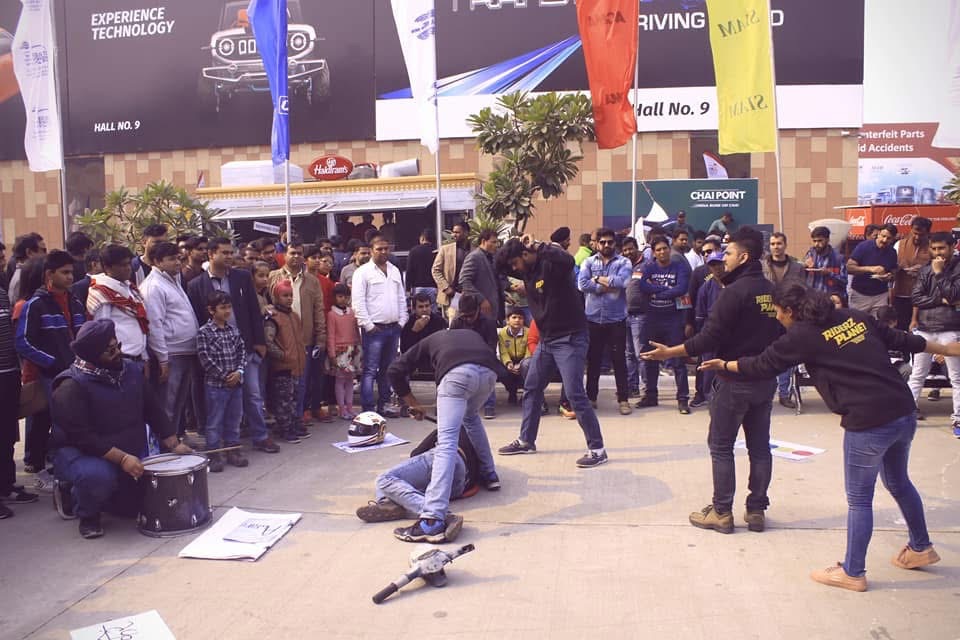
A drumbeat on a busy corner. A crowd gathers, half curious, half in a hurry. A rider slows down to watch
The brief
A drumbeat on a busy corner. A crowd gathers, half curious, half in a hurry. A rider slows down to watch. For a few minutes, the street becomes a stage, and the stage asks one simple question: did you wear it today?
The brand
Riderz Planet calls itself India’s first motorcycle superstore. Founded in New Delhi in 2015 by riders who were frustrated by how hard it was to find good gear, it brings international brands of helmets, riding jackets, boots, gloves, armour and bike accessories under one roof. Its stated purpose is to augment the joy of riding, and its philosophy fits in a single line: befriend safety for life.
For a brand like this, safety is not a feature but the reason the business exists. Every helmet on its shelves makes the same quiet argument: the ride should end where it began, at home.
The problem
India’s roads are among the most dangerous in the world, and riders pay the highest price. According to the Ministry of Road Transport and Highways, road crashes killed 1,68,491 people in 2022, about 19 every hour. Two-wheeler users made up 44.5 percent of those deaths, and 50,029 people died that year while not wearing a helmet. Two in three victims were between 18 and 45, in the most productive years of their lives.
The paradox is that the solution is neither expensive nor complicated. A helmet takes seconds to put on and is already required by law. The gap is not in knowledge; almost every rider knows a helmet saves lives. The gap is in habit, in the quiet belief that it will not happen on a short ride, on a familiar road, to me. That belief cannot be fixed with another statistic. It has to be confronted where it lives: on the street.
The idea
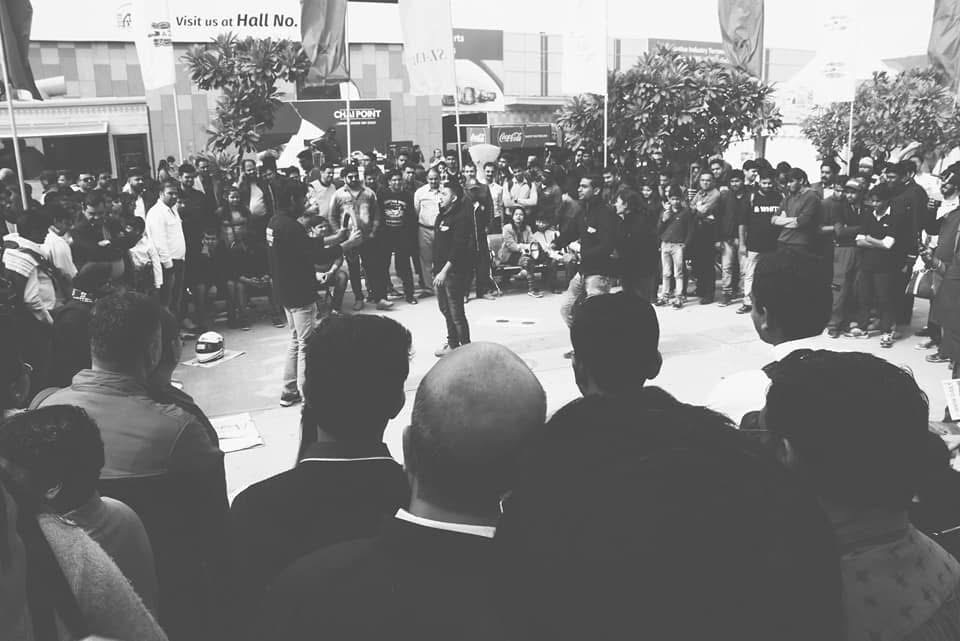
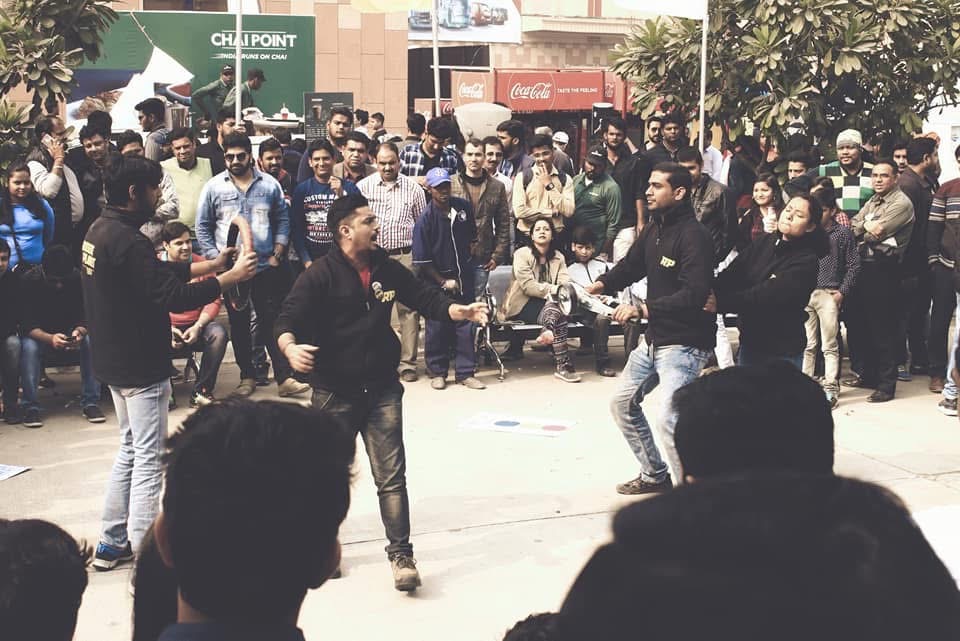
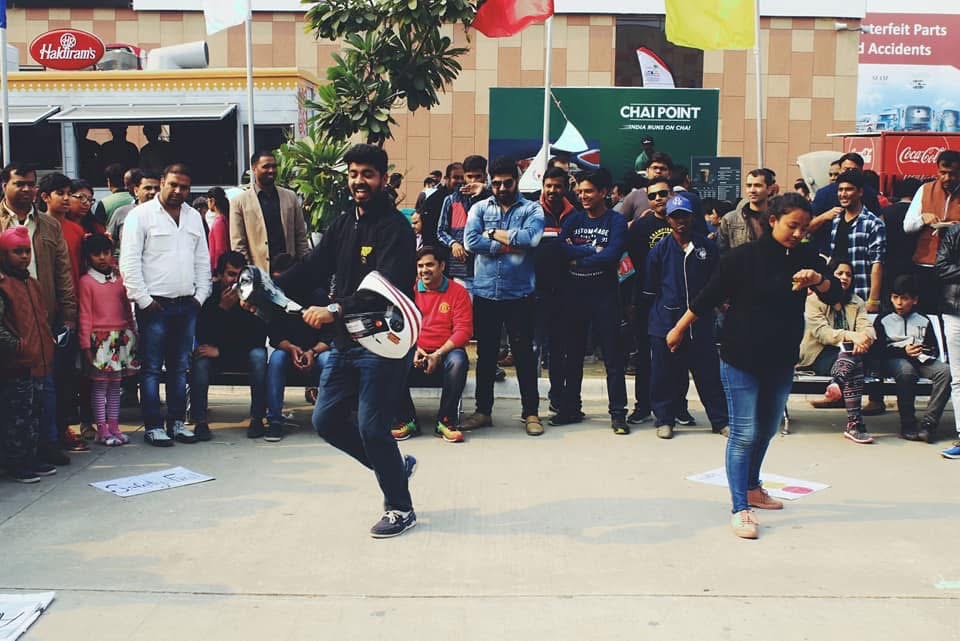
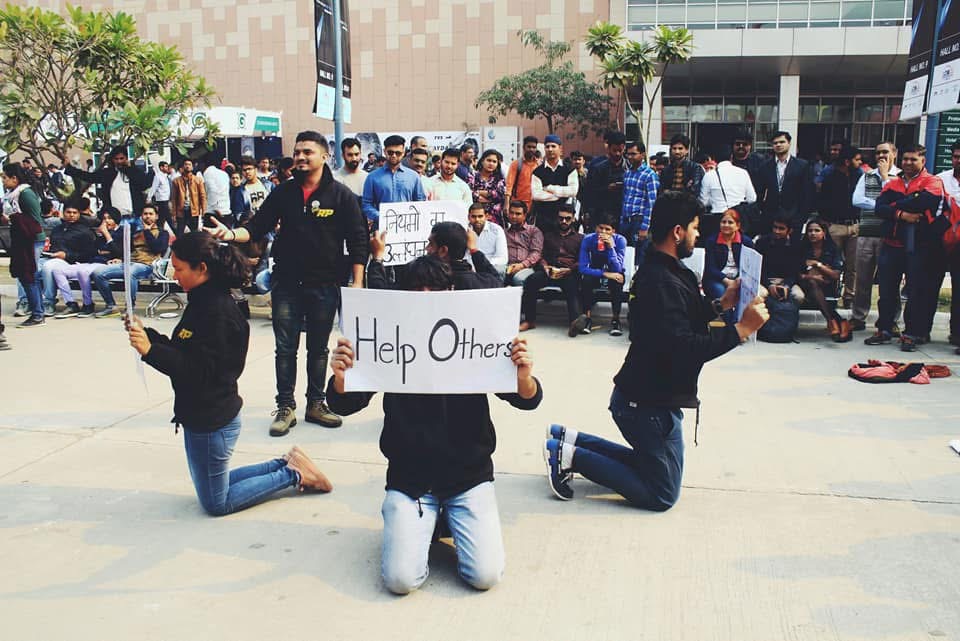
For Riderz Planet, we took the conversation about road safety out of showrooms and campaigns and put it where riders actually are: on the street. We created a street play, a nukkad natak, on road safety, performed in the open, in the middle of everyday traffic and everyday life.
Street theatre has no stage, no tickets and no fourth wall. Performers form a circle, a drum calls the crowd, and the audience is whoever happens to be passing: delivery riders, college students, office-goers, parents on the school run. The play speaks to them in their own language, with humour, rhythm and directness, about the small choices every rider makes before turning the key: the helmet left hanging on the mirror, the strap left unbuckled, the phone checked at a signal, the speed pushed to save two minutes.
It does not lecture. It shows. And at the moment the story turns, it hands the question back to the crowd.
Why the street
Road safety messaging in India usually arrives as a hoarding, an advertisement or a fine. All three are easy to ignore, because all three speak from a distance. Street theatre closes that distance. It meets riders on the same roads they ride, in the language they speak, and asks them to stop for a moment, which for a rider is already half the message.
It also turns an abstract risk into a human one. A figure like 50,029 deaths is too large to feel. A story acted out a few feet away, about a rider who did not make it home, is impossible not to feel. Theatre does what data cannot: it makes the consequence personal before it ever becomes real.
For Riderz Planet, the format was a natural fit. A brand built on the promise of protection took that promise out of its stores and into the open, not as an advertisement for helmets but as an argument for coming home. That is the kind of message a crowd remembers, and the kind of brand riders trust.
Wear it. Strap it. Come home.
Gallery