The Lion of Ladakh
Some heroes are found in history books. This one was found on a school attendance sheet.
The brief
Some heroes are found in history books. This one was found on a school attendance sheet.
The man
Sonam Wangchuk was born in 1964 in Sankar, near Leh, and came to Delhi to study, first at Modern School, Barakhamba Road, and later at the University of Delhi. Commissioned into the Indian Army in 1987, he served in the Northeast and in Sri Lanka before returning home to the Ladakh Scouts.
In the last days of May 1999, as the Kargil conflict broke out, Major Wangchuk led a column of about forty men up a near-vertical cliff at Chorbat La in the Batalik sector, at roughly 5,500 metres, through snow and sub-zero cold. At dawn on 31 May they struck from the flank and cleared the enemy position, in what is remembered as India’s first victory of the Kargil War. For bravery “of the highest order in the presence of enemy fire and in extreme climatic conditions”, he was awarded the Maha Vir Chakra, and the Army gave him the name he carried for the rest of his life: the Lion of Ladakh.
He retired as a Colonel in 2018 and returned to Ladakh, where young people hoping to wear the uniform found in him a mentor. Colleagues remember a calm, unassuming officer who thought of his men first. He passed away in Leh on 10 April 2026, at the age of 61.
The play
The Hero on Our Attendance Sheet was created by The Roots India in collaboration with Modern School, Barakhamba Road, where he was once a student, and the Ehsas Foundation, run by alumni of Ramjas who knew him first as a friend. They wanted to honour him with something more lasting than a memorial: a biographical play that would let a new generation of students meet the man who once sat in their classrooms.
That is the heart of the piece. It is a tribute to a soldier, but it is also a reminder that extraordinary lives begin in ordinary places: on a school bench, in a morning roll call, among friends who had no idea what was coming.
The telling
A life this large cannot simply be recited, so the play does not try. It moves between the boy from Ladakh, the young officer, the soldier on the ridge and the friend remembered decades later, letting each of them speak to the others. Chorbat La is part of the story, but it is not the whole of it. The play cares as much about what made him as about what he did: the mountains he came from, the school that shaped him, and the friendships that outlived him.
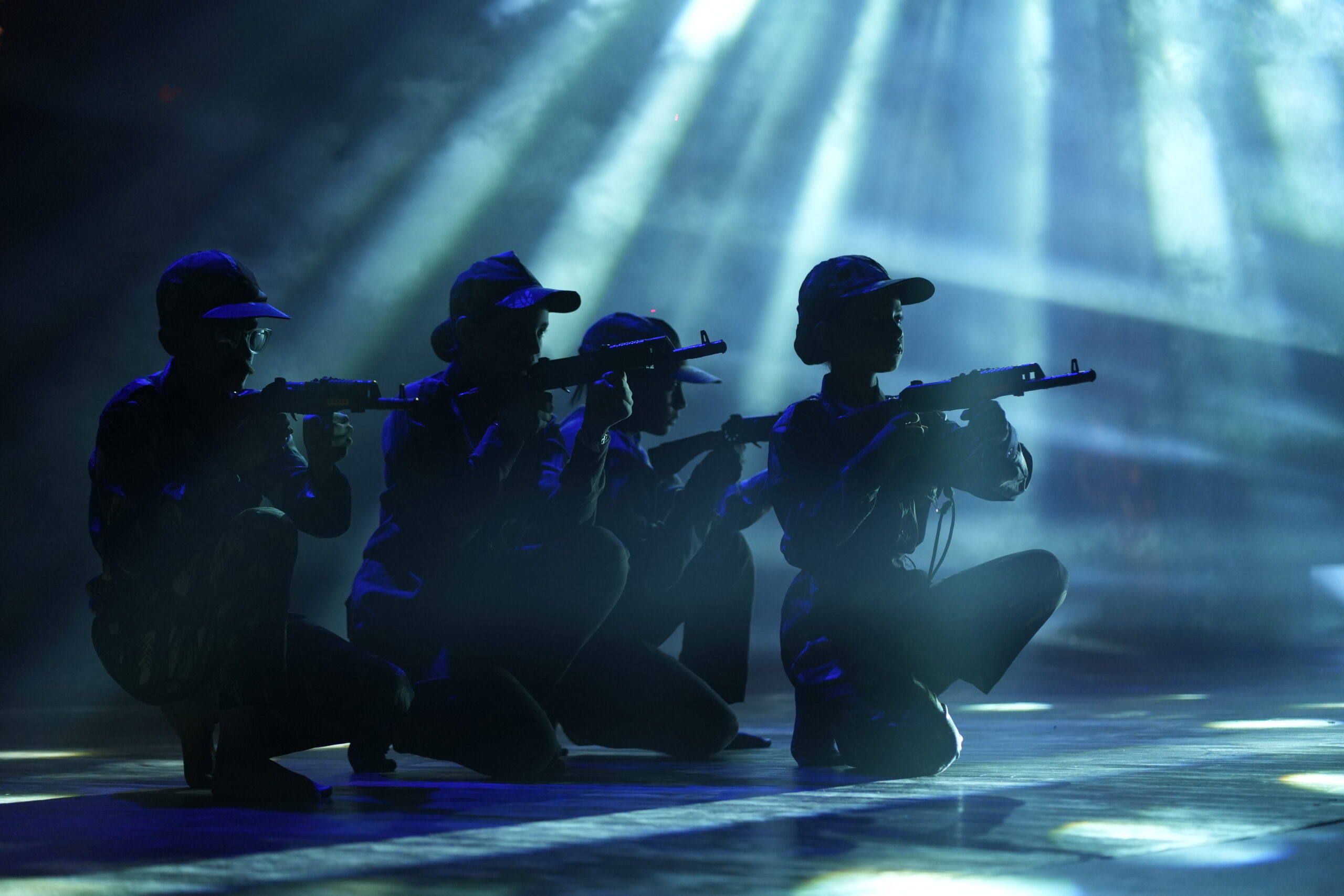
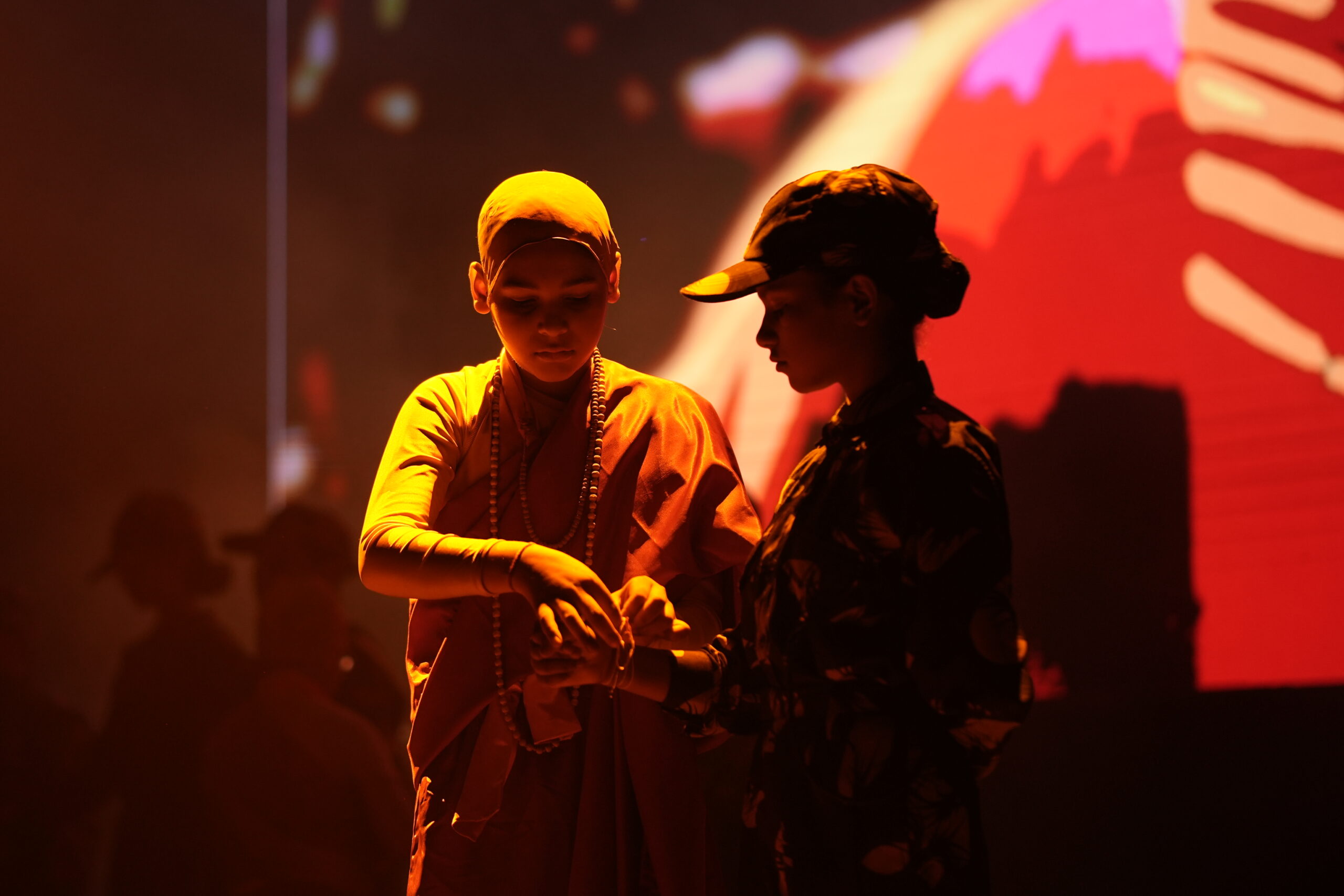
On stage, students not much older than he was when he first walked through Modern School’s gates carry his story forward. In doing so, they ask the question at the centre of the evening: what does it take for an ordinary person to become extraordinary, and would we recognise that person if they sat beside us today?
How it was made
The script began with memory. Through a testimony form shared with his friends, classmates and others who knew him, we gathered recollections in their own words: the jokes, the habits, the small kindnesses that never make it into a gallantry citation. Read alongside the public record of his service, those testimonies became the spine of the script, so that the man on stage is built from the memories of the people who loved him.
The stage then had to travel from a Delhi classroom to the heights of Ladakh. Audio-visual backdrops carry the audience across that distance, from school corridors to snowbound ridges, and the whole production was planned through a detailed binder covering every scene, cue and department. A memorial banner framed the evening, so that before a single line was spoken, the audience knew whom they had come to honour.
Some names are called once in a register. His will be called for a long time.
Gallery