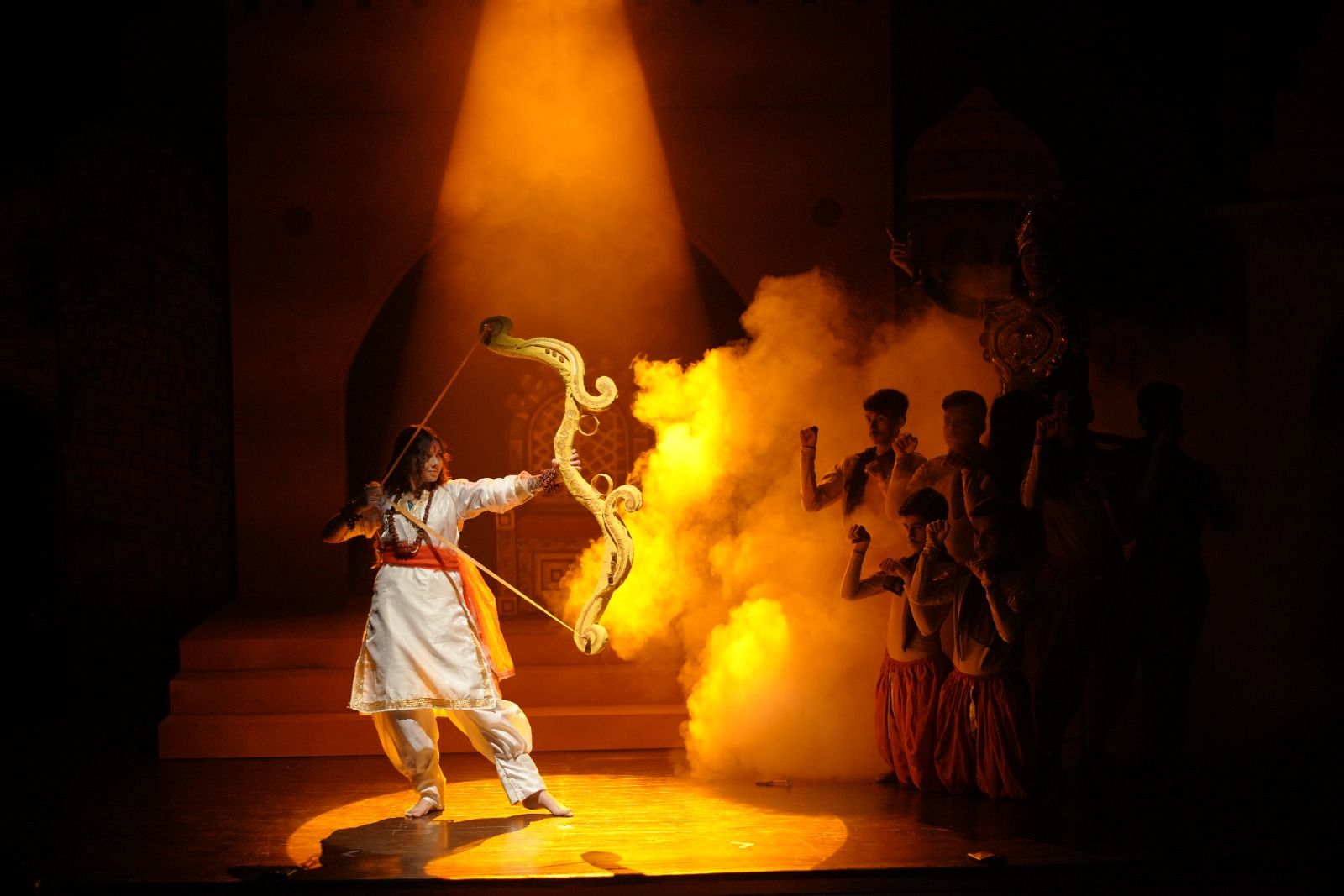
Dastaan-E Dilli
I have been called by many names: Indraprastha, Shahjahanabad, Dilli, Delhi. Each was given to me by someone who believed I would be theirs forever.
The brief
I have been called by many names: Indraprastha, Shahjahanabad, Dilli, Delhi. Each was given to me by someone who believed I would be theirs forever. Kings raised their forts on my rocks and laid their tombs in my gardens; poets wrote me love letters and elegies in the same breath. I have been conquered, looted, mourned and rebuilt so many times that I no longer count the ruins. I simply grow around them.
I have opened my lanes to traders and saints, to soldiers and refugees, to anyone who arrived with nothing and stayed long enough to call me home. I have heard the azaan and the temple bell, the qawwal’s cry and the hawker’s call, the clatter of tongas and now the hum of the Metro, and I have kept every sound. Empires forget. I do not.
Through all of it, I have kept my stories. Not in my stones, which crumble, but in my people, who carry me from grandmother to grandchild and from one lane to the next. Sit with me a while. The chai is hot, the evening is long, and there is a tale waiting. Let me tell you one.
The dastaan
Dastaan-E Dilli is a chapter of the Dastaan-E Project, The Roots India’s signature body of work, and it belongs to the city in every sense.
Long before cinema, Delhi had its storytellers. In the old tradition, a dastaan was never simply read. It was performed in courtyards and at crossroads by a teller who could hold a crowd spellbound for hours with nothing but a voice, a cup of water and a memory full of kings, tricksters and magic. He changed the tale a little every night, stretching a battle here, sharpening a joke there, reading the faces in front of him and giving them the story they needed. His audience never simply listened. They gasped, laughed, argued, and came back the next evening to hear what happened next.
This play borrows that spirit. It is less a history of Delhi than a gathering of its voices, told the way the city has always told itself: aloud, in company, with room for everyone to add a line.
The city that remembers
Walk ten minutes in any direction in Delhi and you cross centuries. A Sufi shrine hums with qawwali while the Metro rattles overhead. A Mughal gateway frames a traffic jam. A tea stall stands where a palace garden once bloomed, and somewhere beneath a flyover, a forgotten tomb keeps watch over the afternoon rush.
The city has been the seat of empires and the refuge of the displaced, and it has never chosen between them. It took in the sultan and the soldier, the merchant and the mystic, the family that crossed a new border with a single trunk, and the student who arrived last year with a phone and a dream. It simply makes room, layer upon layer, until past and present share the same pavement and no one can say where one ends and the other begins.
What survives all of this is not always the stone. Monuments crumble, names change, whole neighbourhoods vanish and reappear. Very often, what survives is the story: the recipe that crossed the border, the song a grandmother still hums, the lane everyone still calls by a name no map remembers.
Voices from the lanes
Every lane in Delhi is a stage, and every stage has its voices.
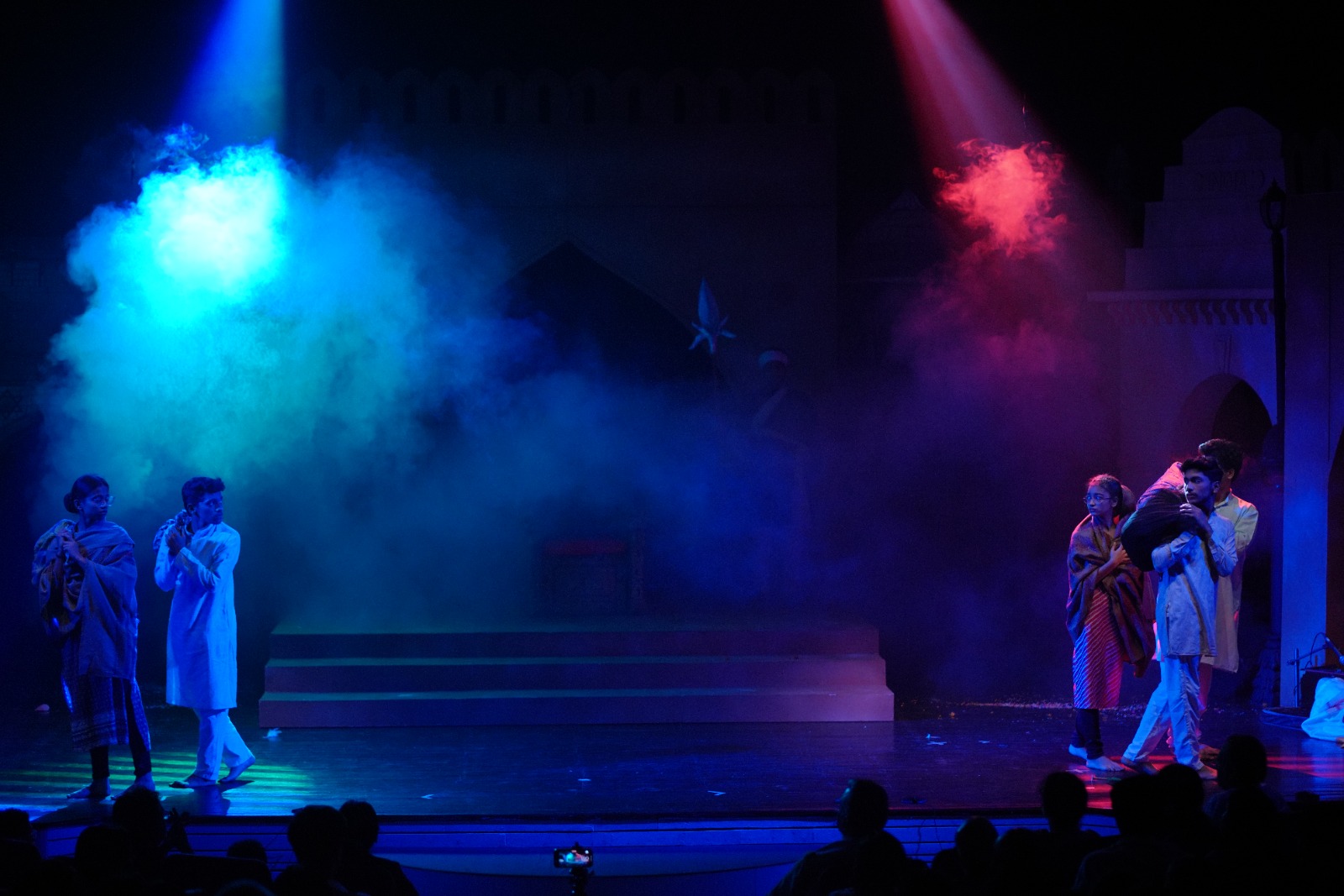
In a crumbling haveli, a poet counts what his city has lost, line by line, as if verse could hold up falling walls. In a bazaar that has outlived every emperor, a trader haggles exactly as his grandfather did, certain that crowns come and go but customers always return. In a new colony on the city’s edge, a family that arrived with nothing plants a tree it may never sit beneath, because that is what you do when you decide a place is home. And on a crowded platform, a young Delhiite hurries past a thousand years without looking up, earphones in, history whispering just out of reach.
The play lets these voices drift into one another’s lives, the way strangers do in a city this crowded. Who they are to each other, and what the city asks of them, is for the stage to tell.
How we gathered the dastaan
We began the way any teller does, by listening. We read the city’s histories and its poetry, sat with its folklore, and sought out the memories of people who have watched it change. We were looking less for dates than for moments: the night a bazaar went dark, the morning a train of refugees arrived, the evening a qawwali moved a stranger to tears. A city remembers in moments, and so does a good story.
Then we opened the room to students and asked them for their Delhi. Not the Delhi of textbooks, but the lane they grew up on, the story their grandmother tells over and over, the corner shop that has known them since they were small, the place that feels like home. What came back was funny, tender, surprising and entirely theirs. Those fragments are woven into the script, so the city on stage belongs as much to them as to us, and every telling carries a little of the people who helped tell it.
Gallery