NTPC
The objective was simple yet profound: to create a space where participants could step beyond their professional identities, reconnect with themselves, and explore new ways of thinking, feeling and collaborating.
Beyond the Workplace: A Theatre Expedition with NTPC
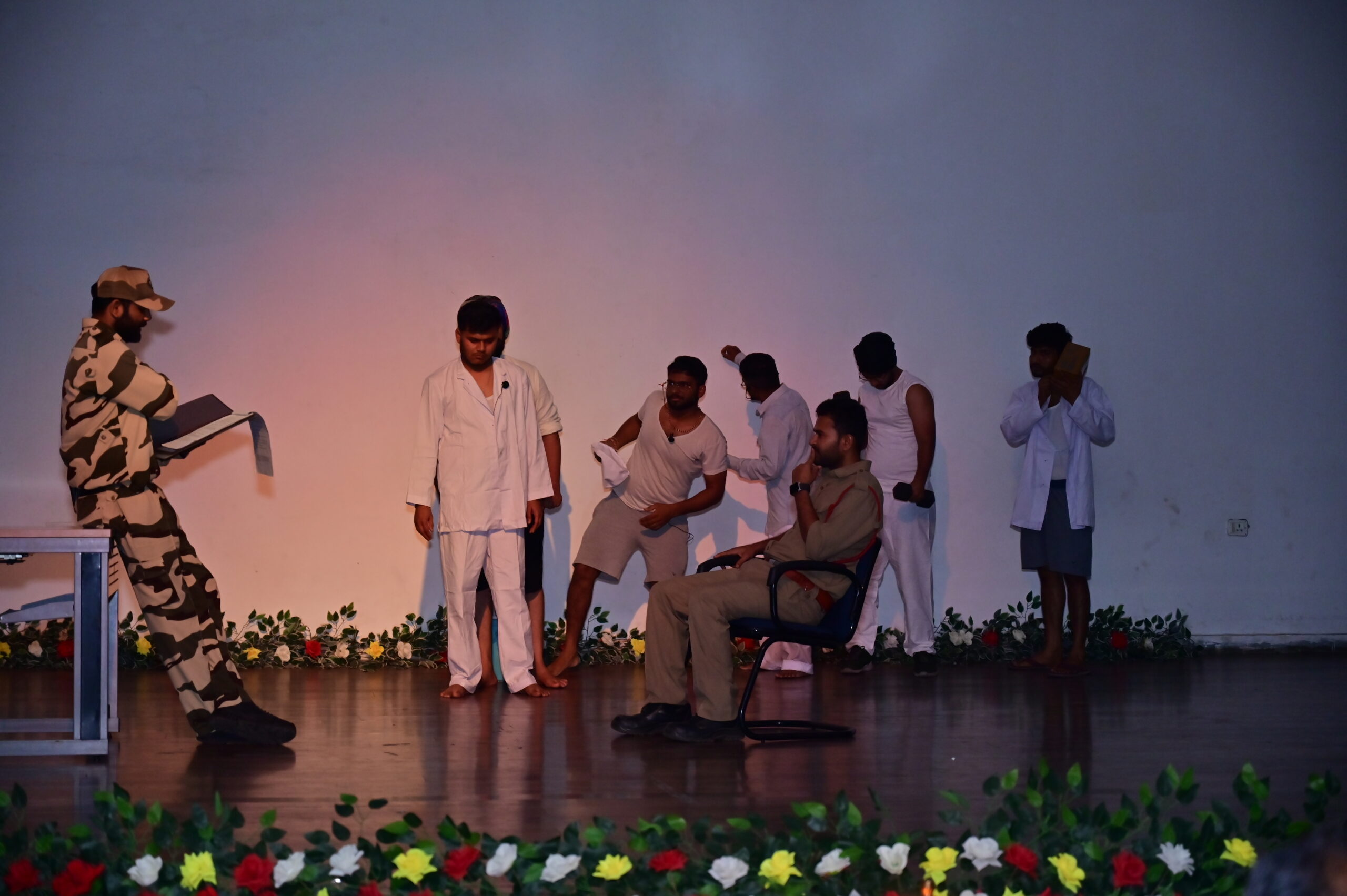
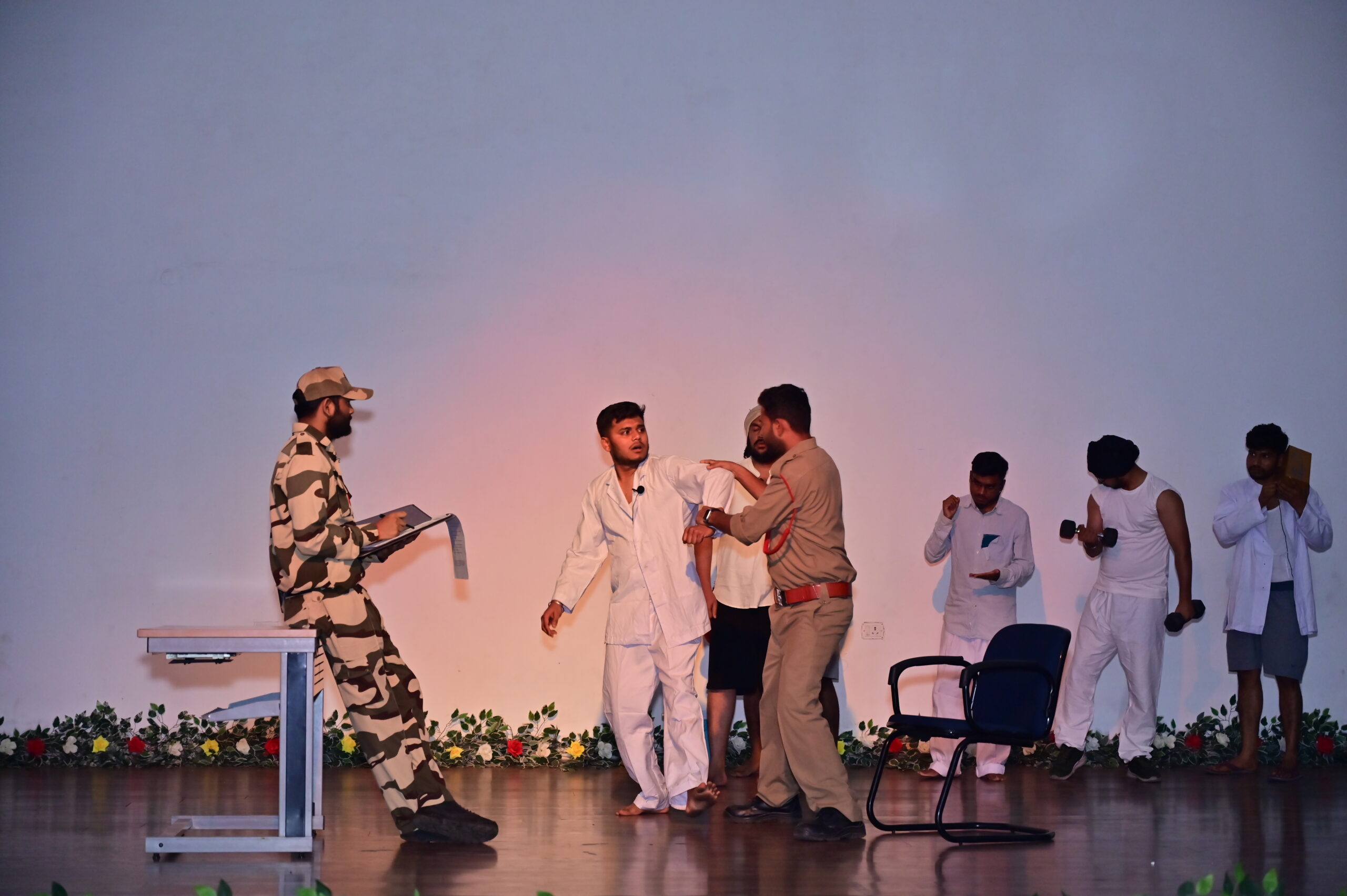
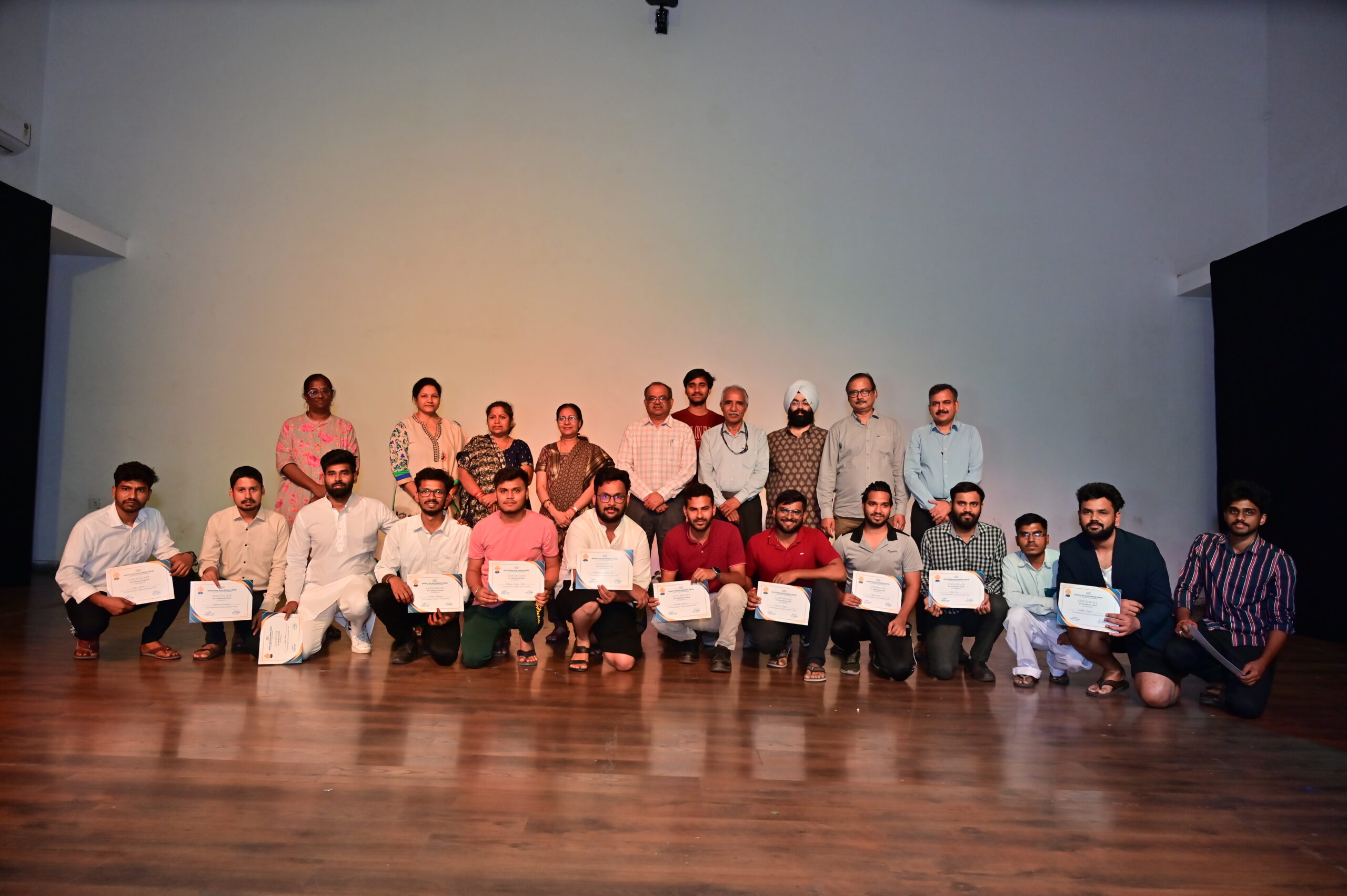
At The Roots, we believe that meaningful learning often happens outside conventional training rooms. In partnership with NTPC, we designed and facilitated a seven-day Theatre Expedition for Executive Engineers working in a demanding, high-pressure environment: an immersive, arts-based learning programme that brought together theatre, movement, mindfulness, improvisation and storytelling, and culminated in a full theatrical production of Saadat Hasan Manto’s Toba Tek Singh.
The objective was simple yet profound: to create a space where participants could step beyond their professional identities, reconnect with themselves, and explore new ways of thinking, feeling and collaborating.
The client and the brief
NTPC Limited is India’s largest power company, a Maharatna public sector undertaking founded in 1975 and headquartered in New Delhi. Its operations supply a significant share of the country’s electricity, and its engineers work in environments where precision, reliability and safety are non-negotiable.
The participants were Executive Engineers, professionals whose days are shaped by technical complexity, round-the-clock operations, high stakes and constant pressure to deliver. In roles like these, people can slowly become defined by their designations and deliverables, and the space for reflection, creativity and genuine human connection quietly shrinks.
The brief was to design a corporate learning experience that would not add another layer of pressure, but release some of it: an immersive leadership and wellbeing programme focused on self-awareness, resilience, emotional intelligence and collaboration, delivered through the arts rather than through slides.
Why Theatre
Most corporate training speaks to the mind. It explains, instructs and informs. But stress, self-awareness, empathy and the way we lead and collaborate are not only ideas; they live in the body, in habits, and in the stories we tell ourselves. Changing them requires an experience, not a lecture.
Theatre offers exactly that. It is one of the oldest forms of experiential learning, a space where people can try on new ways of being without real-world consequences. On stage, a manager can be uncertain, an engineer can be playful, and a colleague can be seen as a person rather than a role. That freedom is what makes theatre-based training such a powerful tool for leadership development, team building and employee wellbeing.
Rather than focusing on performance alone, we used theatre as a tool for personal exploration. Participants were invited to examine their relationship with stress, leadership, teamwork and self-awareness in an environment free from targets, deadlines and operational responsibilities.
The seven-day journey
Over seven immersive days, the engineers moved through a series of theatre-based processes designed to encourage reflection, creativity and self-expression. Each element invited participants to slow down, observe their own patterns, engage with uncertainty, and experiment with new approaches to communication and problem-solving.
Movement. The work began in the body. Movement exercises helped participants notice where they hold tension, how they occupy space, and how physical presence shapes the way they are seen and the way they feel. For people used to desks, control rooms and screens, simply moving freely became a quiet act of release.
Mindfulness and meditation. Guided mindfulness and meditation sessions created moments of stillness in an otherwise relentless professional rhythm. Participants practised paying attention to breath, thought and emotion, building the self-awareness that underpins stress management and resilience at work.
Improvisation. Improvisation asked participants to respond in the moment, without a script or a plan. It rewards listening, trust and adaptability, and it reveals how each of us reacts to uncertainty. For engineers trained to eliminate risk, learning to say yes to the unknown proved both challenging and liberating.
Storytelling. Through storytelling exercises, participants shared experiences, memories and perspectives, discovering how much of who they are sits outside their job titles. Telling and listening to stories built empathy and trust across the group.
Creative thinking. Creative thinking activities encouraged participants to approach familiar problems from unfamiliar angles, loosening rigid patterns of thought and opening space for innovation.
Together, these processes formed a learning journey rather than a training schedule: each day built on the last, gradually shifting the group from individual reflection to collective creation.
The Culmination
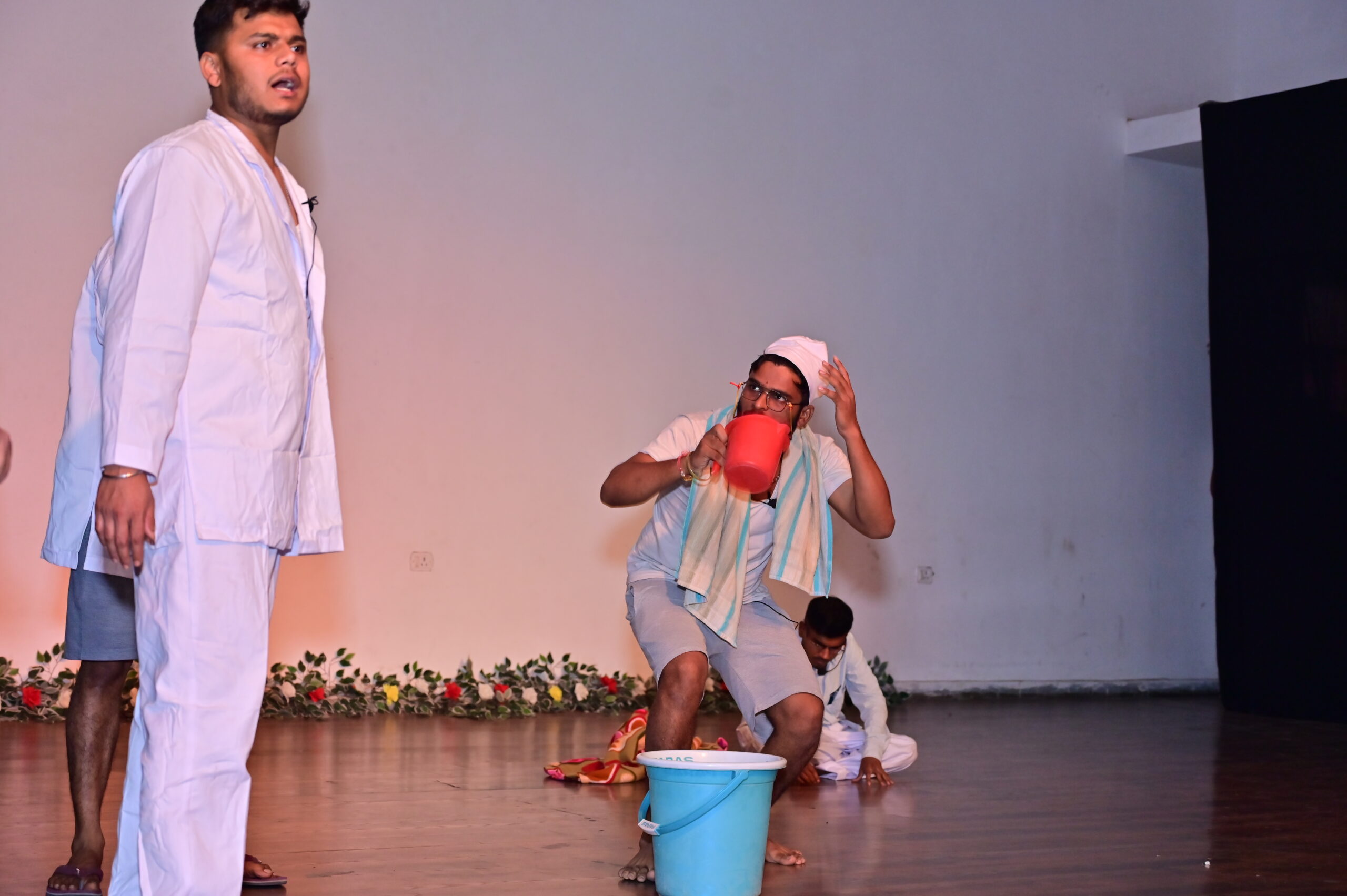
The expedition culminated in a collective theatrical production: an adaptation of Saadat Hasan Manto’s iconic short story Toba Tek Singh. First published in 1955, the story is set in the years after Partition, when India and Pakistan agree to exchange the inmates of their asylums. At its heart is Bishan Singh, a man who wants only to know where his home, the village of Toba Tek Singh, now belongs, and who refuses to be defined by a border drawn by others. In 2018 the BBC named it among the 100 stories that shaped the world.
The choice of text was deliberate. Manto’s story asks questions that resonate far beyond 1947. Who are we when the categories we live by are redrawn? Where do we belong? What does it mean to stay human inside a system that reduces people to labels? For professionals who spend their working lives within structures, hierarchies and designations, these questions became unexpectedly personal.
Through interpreting, rehearsing and performing the story, participants explored themes of identity, belonging, conflict and humanity. Every role, scene and staging decision had to be negotiated together, turning the production itself into a lesson in collaboration, trust and shared ownership. The final performance became a reflection of the group’s learning journey, bringing together the insights, emotions and experiences developed over the course of the week.
Outcomes and Impact
More than a theatre programme, the expedition demonstrated the power of arts-based interventions in fostering resilience, empathy, creativity and human connection within professional spaces. Its impact can be seen across five dimensions.
Self-awareness. Stepping away from their roles gave participants rare room to observe their own patterns: how they respond to pressure, uncertainty and conflict, and where those responses help or hold them back.
Resilience and stress management. Movement, mindfulness and play offered practical ways to release tension and regain balance, tools participants could carry back into demanding work environments.
Empathy and human connection. Sharing stories and building a production together allowed colleagues to see one another as people rather than positions, strengthening trust and team cohesion.
Creativity and adaptive thinking. Improvisation and creative exercises loosened rigid habits of thought and encouraged fresh approaches to communication and problem-solving.
Collaborative leadership. Staging a production as an ensemble demanded listening, shared decision-making and mutual support, offering a lived experience of leadership as something exercised with others rather than over them.
Above all, the expedition reaffirmed that when individuals are given the opportunity to engage with themselves beyond their roles and designations, they often discover new possibilities for growth, both personally and professionally.
Why it matters for HR and L&D leaders
Organisations across India, from public sector undertakings to private corporates, are rethinking how they invest in their people. Burnout, disengagement and the pressure of high-stakes roles cannot be solved by another PowerPoint session. HR and learning and development (L&D) leaders increasingly look for experiential learning programmes that build the human capabilities technical training leaves untouched: emotional intelligence, resilience, empathy, creativity and collaborative leadership.
Theatre-based corporate training meets that need in a way few other formats can. It is immersive, so participants are fully engaged rather than passively attending. It is embodied, so learning reaches habits and behaviours, not just ideas. And it is collective, so teams leave with shared experiences that strengthen trust long after the programme ends. Whether delivered as a multi-day leadership offsite, an employee wellbeing retreat, a team-building workshop or a culture intervention, arts-based learning helps people return to work not only better skilled, but more fully themselves.
At The Roots, we continue to create transformative learning experiences that help individuals and organisations reconnect with what makes them uniquely human. To explore a theatre-based learning programme for your team, visit therootsindia.com.
Gallery